Every marketer wants attention. But attention isn’t the goal. The goal is to be remembered.
The difference matters because a campaign can hit every KPI on the brief, millions of views, strong engagement, efficient media spend, and still disappear from public consciousness the moment the campaign ends. The real test of a campaign happens away from dashboards and reporting decks. It happens over lunch, during a commute, or halfway through a conversation with friends. Someone suddenly says: “Did you see that ad?”That unprompted moment of recall is one of the hardest things for a brand to earn. Nobody is being targeted. Nobody is being retargeted. Nobody is being paid to talk about it. People simply want to.And there is no stage where that distinction between visibility and memorability matters more than the FIFA World Cup. Because during the world’s biggest sporting event, being seen isn’t enough. You have to be unforgettable.
Adidas and Nike: Two Different Approaches to the Same Goal
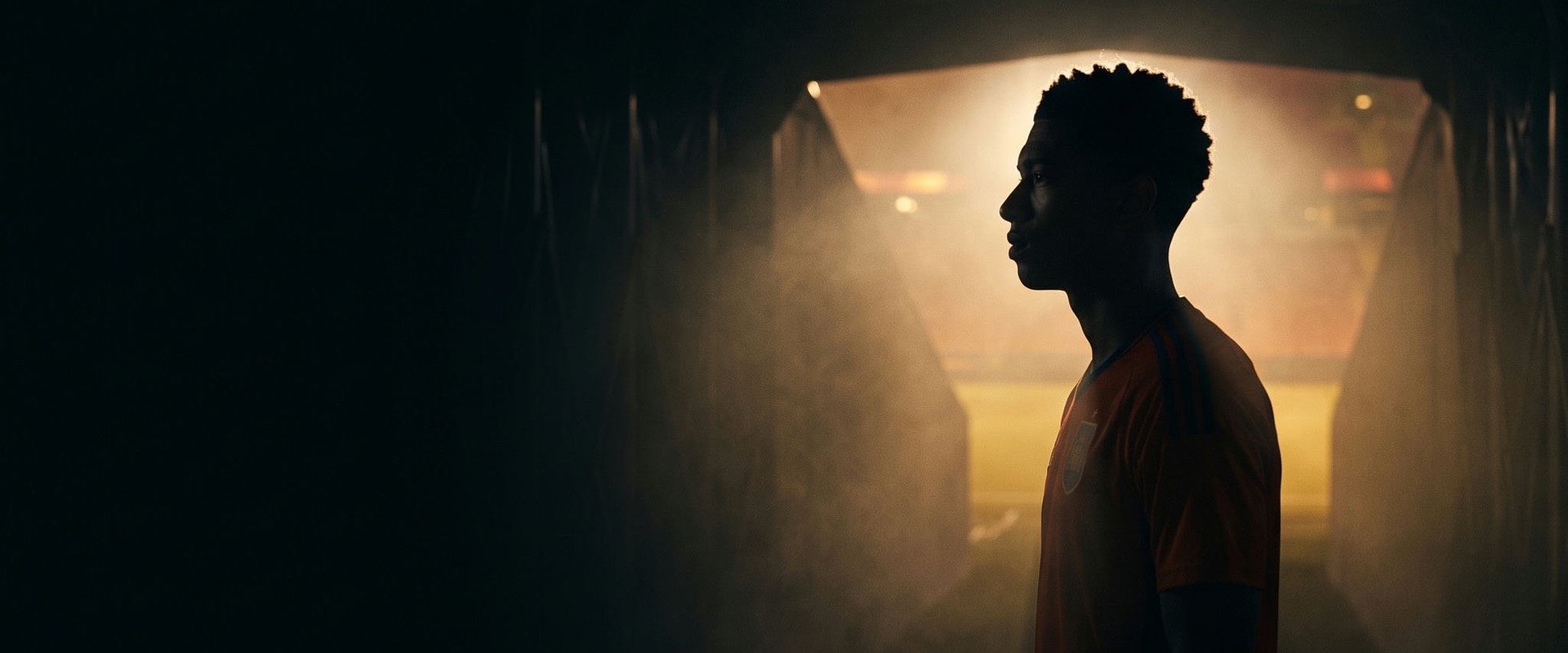
In the lead-up to the 2026 World Cup, Adidas and Nike both launched major campaigns. Both feature global icons. Both are beautifully executed. Both are designed to capture the attention of football fans around the world.Yet they take very different routes to cultural relevance. Adidas’ Backyard Legends leans into nostalgia and joy. Featuring Timothée Chalamet, Lionel Messi, David Beckham, Zinedine Zidane, Lamine Yamal, and Bad Bunny, the campaign celebrates the freedom of playing without pressure. It’s a reminder of why people fall in love with football in the first place.Nike’s Rip the Script takes a more ambitious approach. Football stars sit alongside cultural icons. The visual language shifts unexpectedly. The pacing feels native to modern content consumption habits while still maintaining the emotional storytelling Nike is known for. Rather than focusing solely on football, Nike expands the conversation into culture itself. It’s about what the game means.
The Difference Between Reach and Relevance
The early performance data is striking. After roughly a month online, Adidas’ campaign generated approximately 6.5 million YouTube views. Nike surpassed 68 million views in less than a week. But view counts only tell part of the story. The more interesting question is whether these campaigns will remain part of the cultural conversation long after the tournament ends. Will people still reference them in four years? Will they become the ads future marketers use as benchmarks? Will they pass the dinner table test? History suggests that the campaigns people remember aren’t necessarily the ones that generated the biggest numbers. They’re the ones that created a shared emotional experience.
Why We Remember Some Campaigns and Forget Others
The best World Cup campaigns don’t just advertise. They become part of culture. For many audiences across Latin America, Davivienda’s Ricardo and Jorge campaigns during the 2010 and 2014 tournaments achieved exactly that. The humour, tension, and humanity resonated because they captured how football actually feels.The same can be said for Nike’s iconic Olé campaign from 2004. More than two decades later, marketers and football fans still reference it. Not because of its media spend. Not because of its production budget. Because it captured something emotionally true. It became a memory. That’s ultimately the benchmark every campaign is competing against.
The Question Every Brand Should Answer Before Launching
When brands find themselves struggling for relevance, the brief often arrives with a familiar objective:“We want to be known.” The problem is that “known” isn’t a strategy. It’s an outcome.Before launching any major campaign, brands should be able to answer three questions: By who? For what? For how long? If those answers aren’t crystal clear, no amount of media investment will compensate for the lack of strategic focus. Because awareness without meaning is just noise.
Cultural Relevance Can’t Be Bought
The most effective campaigns don’t force their way into public consciousness. They earn their place there. They give people something worth repeating. Something worth sharing. Something worth bringing up over lunch. The brands that stay relevant aren’t necessarily the loudest. They’re the ones with the clearest point of view.When a campaign succeeds, people don’t just see it. They talk about it. And in a world overflowing with content, that may be the most valuable media placement of all.